
Innovation and safety for the future of

Energy

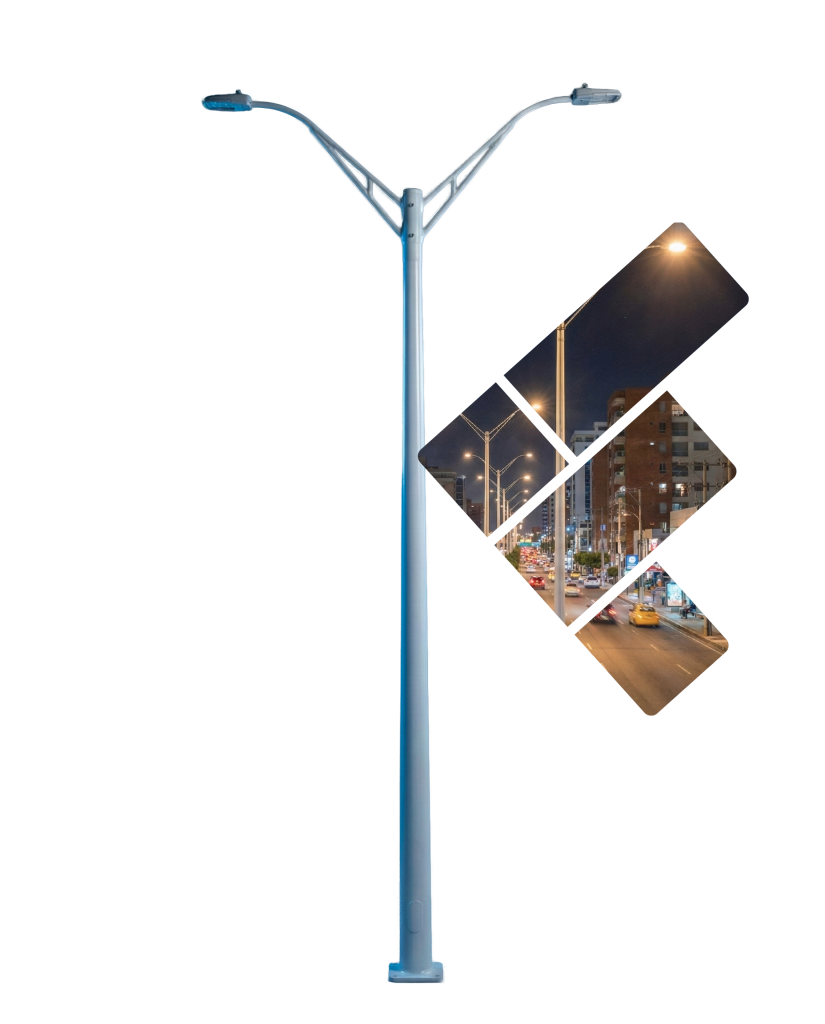
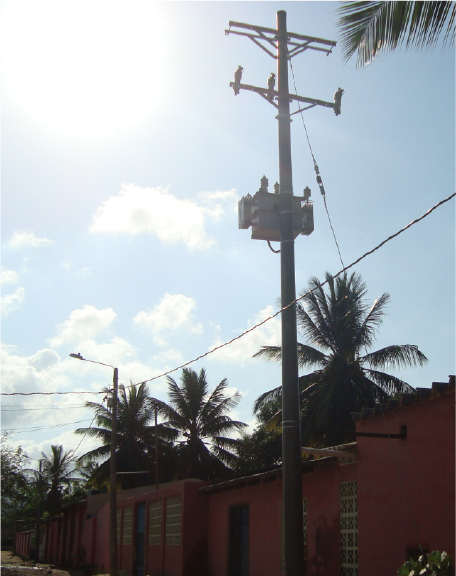
FRP infrastructure for distribution networks, substations and street lighting, engineered to perform in demanding environments with maximum electrical safety.

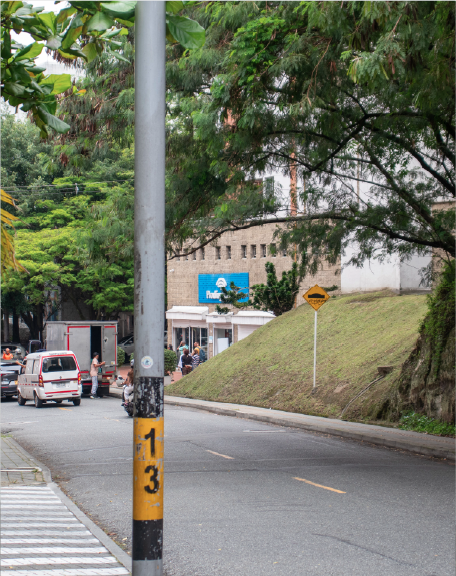
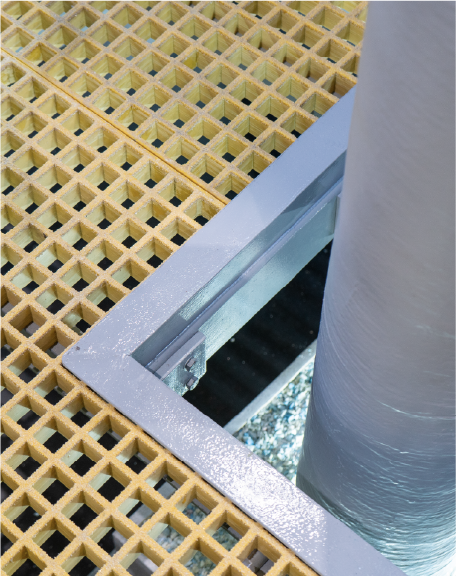
At Fibratore we engineer Fiberglass Reinforced Polyester (FRP) solutions for the power sector, offering a non-conductive, corrosion-resistant and lightweight alternative to concrete, wood and steel.

At Fibratore we engineer Fiberglass Reinforced Polyester (FRP) solutions for the power sector, offering a non-conductive, corrosion-resistant and lightweight alternative to concrete, wood and steel.

High-Performance Solutions
for Power Networks.

Sustainability

EIn every project we integrate sustainability criteria so that power infrastructure is more responsible with its surroundings.

FRP enables longer-lasting structures, fewer replacements and more efficient production processes, resulting in less waste and a reduced environmental footprint throughout the life cycle.

Lighter infrastructure - Reduces the use of heavy machinery and optimizes transport and installation in the field.

Corrosion resistance - Ideal for coastal environments, high humidity and aggressive industrial atmospheres.

Longer service life - Fewer replacements and lower maintenance frequency compared to traditional materials.

Advantages
of FRP in energy

Guaranteed dielectric safety

Non-conductive structures that reduce the risk of indirect contact, arcing and accidents in electrical environments and live-line operations.

Real corrosion resistance in the field

Superior performance against humidity, salinity and chemical agents, maintaining structural integrity for years.

Lower weight, easier handling

Lightweight poles and components that simplify lifting, reduce the need for heavy equipment and enable faster, safer installations.

Less maintenance, better TCO

Fewer interventions, fewer replacements and greater operational availability throughout the life of the infrastructure.

Improved roadside safety

Energy-absorbing behavior and lower mass than concrete or steel help reduce risk to people in the event of a collision.

Efficient, responsible infrastructure
Use of recovered materials and cleaner production processes, lowering environmental impact across the entire project life cycle.